
Give as a gift
In its 250-year history, the United States has been enormously influenced by Iran's culture and history. Poets like Hafez and Sa'adi guided the words and thoughts of Benjamin Franklin, Henry David Thoreau, and Ralph Waldo Emerson, while Americans like Howard Baskerville played a critical role in the Constitutional Revolution that marked the end of the Qajar Dynasty. KHANEVADE: Portraits of Iranian Americans examines the everyday stories of the Iranians who have rebuilt their lives in the U.S., particularly in the wake of the 1979 Iranian Revolution, and contributed significantly to its civic and cultural life, while navigating questions of belonging and identity.
This program spans documentary works shaped by empathetic, quotidian portraits of Iranian American communities. Norouz: Persian Spring Festival is a revealing time capsule of the Bay Area in the 1960s, showcasing the presence of Iranian American families and communities nearly 20 years before the revolution. Maryam Kashani’s Best in the West builds upon this portrait to examine the lives of four lifelong friends who studied in the United States with humor, warmth, and bittersweetness. Armon Mahdavi’s Untitled, Jackson Heights closes the program on the present day to examine public spaces in Queens through a poignant, epistolary voiceover correspondence from a mother to her child. The in-person screening at MOMI will be followed by a discussion with filmmaker Armon Mahdavi.
KHANEVADE is curated by Nick Kouhi and is co-presented by ArteEast and Museum of the Moving Image. This program is part of the legacy program Unpacking the ArteArchive, which preserves and presents over 20 years of film and video programming by ArteEast. Selections from KHANEVADE will be screened in-person at 12:30pm on July 12 followed by a discussion with filmmaker Armon Mahdavi moderated by the curator. For more information about the in-person screening visit https://movingimage.org/event/khanevade-portraits-of-iranian-americans/. The full program will be screened online on artearchive.org from July 13-23, including a recorded discussion with filmmaker Persis Karim and scholar Amy Malek.
About the curator
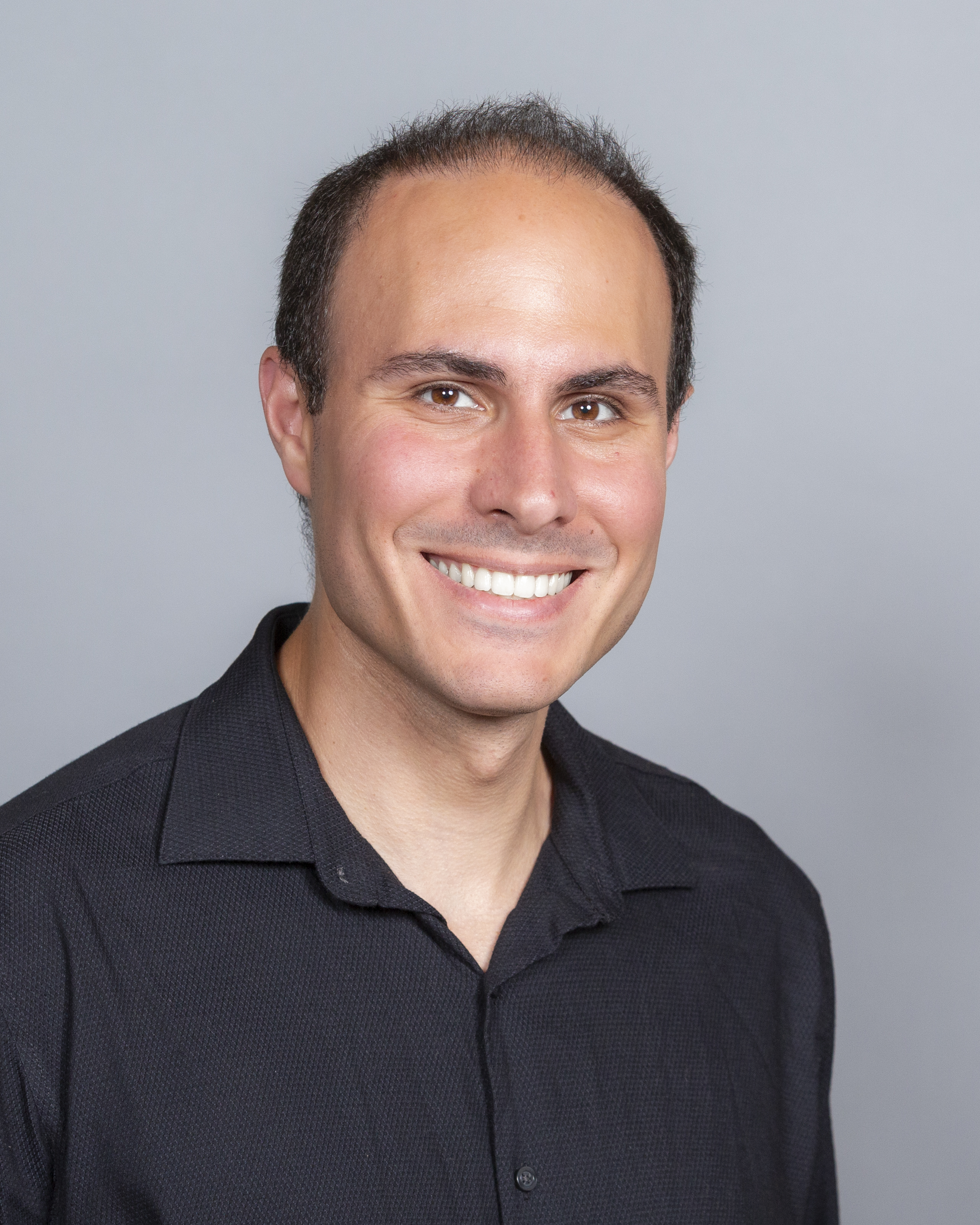 Nick Kouhi is a programmer and film critic who's written for Filmmaker Magazine, Reverse Shot, Screen Slate, and Documentary Magazine. His previous collaboration with ArteEast was I Am From Here, I Am From There: Writers in Exile, and he has served on the screening committees of True/False and DOC NYC.
This program is supported, in part, by public funds from the New York City Department of Cultural Affairs in partnership with the City Council.
Norouz: Persian Spring Festival
Commissioned by the San Francisco Iranian Consulate under the direction of Dr. Majid Rahnema; the film was made by Bay Area filmmaker Marie Louise Stine. This gem of a film, which recounts an earlier time when Iranians were beginning to come to the Bay Area for education, shares a local story of Norooz and features rare footage of the Stine and Rahnema families who lived next door to each other in the 1960s.
About the filmmakers
Dr. Majid Rahnema
Born in Tehran, Dr. Majid Rahnema (1924-2015) was a career diplomat, globally respected educationalist and theoretician whose work emerged in collaboration with Paulo Freire and Ivan Illich. Dr. Rahnema studied at the American University of Beirut, received a PhD from the Sorbonne, and went on to found the 'Institute for Rural & Peasant Studies' in Tehran aimed at establishing locally-driven development of public infrastructure. His rich career in government and foreign affairs included appointments as Minister of Science and Higher Education in Iran, Iranian ambassador at the United Nations, and Iranian Consul General which brought him and his family to San Francisco in 1959.
Marie Louise Stine
A German American filmmaker based in the Bay Area throughout the 1960-1970s, Marie Louise Stine was born and raised in Germany before moving to the United States after WWII. Her film Norouz: Persian Spring Festival (1961) was commissioned by her neighbor and Iranian Consul General Majid Rahnema. She is the author of German novel, Aber für uns ging die Sonne unter (The Sun Sets on Us), and producer of 1971 film 11:59—Last Minute to Choose.
- Year1961
- Runtime20 minutes
- LanguageEnglish
- CountryUnited States
- DirectorMajid Rahnema, Marie Louise Stine
- MusicHormoz Farhat
In its 250-year history, the United States has been enormously influenced by Iran's culture and history. Poets like Hafez and Sa'adi guided the words and thoughts of Benjamin Franklin, Henry David Thoreau, and Ralph Waldo Emerson, while Americans like Howard Baskerville played a critical role in the Constitutional Revolution that marked the end of the Qajar Dynasty. KHANEVADE: Portraits of Iranian Americans examines the everyday stories of the Iranians who have rebuilt their lives in the U.S., particularly in the wake of the 1979 Iranian Revolution, and contributed significantly to its civic and cultural life, while navigating questions of belonging and identity.
This program spans documentary works shaped by empathetic, quotidian portraits of Iranian American communities. Norouz: Persian Spring Festival is a revealing time capsule of the Bay Area in the 1960s, showcasing the presence of Iranian American families and communities nearly 20 years before the revolution. Maryam Kashani’s Best in the West builds upon this portrait to examine the lives of four lifelong friends who studied in the United States with humor, warmth, and bittersweetness. Armon Mahdavi’s Untitled, Jackson Heights closes the program on the present day to examine public spaces in Queens through a poignant, epistolary voiceover correspondence from a mother to her child. The in-person screening at MOMI will be followed by a discussion with filmmaker Armon Mahdavi.
KHANEVADE is curated by Nick Kouhi and is co-presented by ArteEast and Museum of the Moving Image. This program is part of the legacy program Unpacking the ArteArchive, which preserves and presents over 20 years of film and video programming by ArteEast. Selections from KHANEVADE will be screened in-person at 12:30pm on July 12 followed by a discussion with filmmaker Armon Mahdavi moderated by the curator. For more information about the in-person screening visit https://movingimage.org/event/khanevade-portraits-of-iranian-americans/. The full program will be screened online on artearchive.org from July 13-23, including a recorded discussion with filmmaker Persis Karim and scholar Amy Malek.
About the curator
Nick Kouhi is a programmer and film critic who's written for Filmmaker Magazine, Reverse Shot, Screen Slate, and Documentary Magazine. His previous collaboration with ArteEast was I Am From Here, I Am From There: Writers in Exile, and he has served on the screening committees of True/False and DOC NYC.
This program is supported, in part, by public funds from the New York City Department of Cultural Affairs in partnership with the City Council.
Norouz: Persian Spring Festival
Commissioned by the San Francisco Iranian Consulate under the direction of Dr. Majid Rahnema; the film was made by Bay Area filmmaker Marie Louise Stine. This gem of a film, which recounts an earlier time when Iranians were beginning to come to the Bay Area for education, shares a local story of Norooz and features rare footage of the Stine and Rahnema families who lived next door to each other in the 1960s.
About the filmmakers
Dr. Majid Rahnema
Born in Tehran, Dr. Majid Rahnema (1924-2015) was a career diplomat, globally respected educationalist and theoretician whose work emerged in collaboration with Paulo Freire and Ivan Illich. Dr. Rahnema studied at the American University of Beirut, received a PhD from the Sorbonne, and went on to found the 'Institute for Rural & Peasant Studies' in Tehran aimed at establishing locally-driven development of public infrastructure. His rich career in government and foreign affairs included appointments as Minister of Science and Higher Education in Iran, Iranian ambassador at the United Nations, and Iranian Consul General which brought him and his family to San Francisco in 1959.
Marie Louise Stine
A German American filmmaker based in the Bay Area throughout the 1960-1970s, Marie Louise Stine was born and raised in Germany before moving to the United States after WWII. Her film Norouz: Persian Spring Festival (1961) was commissioned by her neighbor and Iranian Consul General Majid Rahnema. She is the author of German novel, Aber für uns ging die Sonne unter (The Sun Sets on Us), and producer of 1971 film 11:59—Last Minute to Choose.
- Year1961
- Runtime20 minutes
- LanguageEnglish
- CountryUnited States
- DirectorMajid Rahnema, Marie Louise Stine
- MusicHormoz Farhat