
Forty years after her arranged marriage as a child, Hawa begins an independent life and learns to read. However, with the Taliban’s return to power, her dreams are shattered.
Filmed over five years, Writing Hawa is the story of three generations of Hazara women from the same family in Afghanistan. With unique access and empathy, director Najiba Noori films her mother Hawa and her niece Zahra in their aspirations to emancipate themselves from patriarchal traditions.
Hawa is 52 years old when she can truly start learning to read and write. She opens a small textile business.
Hawa eventually saves her granddaughter Zahra from her abusive father in a remote village and brings her to the capital. There, they study together and make plans for the future. However, the takeover by the Taliban in August 2021 turns the lives of the three women upside down: Zahra has to return to the village she escaped from, and Najiba is forced to flee the country, living as a refugee in France. From afar, she helps Hawa continue fighting for her dreams.
CAPTIONED
This film is generously supported by: Peterborough Monthly Meeting of the Religious Society of Friends (Quakers), Right to Learn Afghanistan Peterborough Chapter
PERFORMANCE: Excerpt from Silent Women by Sahar Zaki
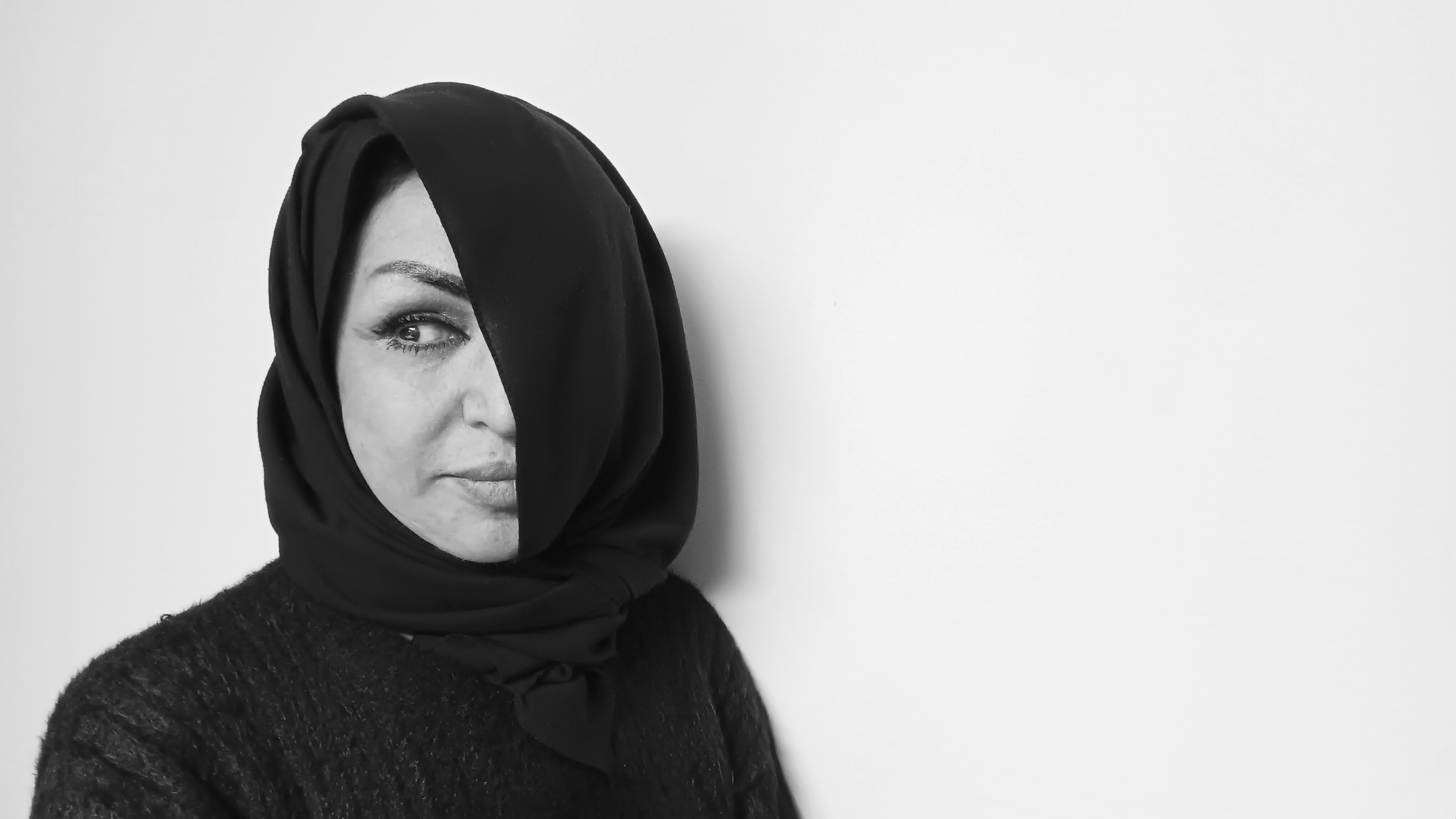
Following the screening of Writing Hawa, don't miss this powerful performance and Q&A with local artist Sahar Zaki.
The play “Silent Women” is a poetic and symbolic narrative of oppression, enforced silence, and women’s resistance. A lone woman, accompanied by chains, empty chairs, and shattered mirrors, recounts the painful history of deprivation from voice, education, work, and freedom. The chairs symbolize external and internal powers marked by betrayal, while the mirrors reflect fragments of women’s broken identities. In the end, by releasing the chain and keeping a small flame alive, the woman evokes hope and resilience: women may have been silenced, but they have not been erased, and the light of resistance is still alive.
Filmmaker Biography(ies):
Najiba Noori was born in 1995 in Bamiyan, Afghanistan. She began working for media organizations as a volunteer when she was just 15. She has made reports and photo stories for various organizations and agencies, including the AFP, Huffington Post, MSF, FMIC, NRC, and UN Women in Afghanistan. She participated at the Close-Up program (2020-2021) and at IDFA Academy (2022). She joined AFP as a video journalist in 2019. In 2021, she was obliged to leave her country when the Taliban took power in Afghanistan and now lives in France. Writing Hawa is her first documentary.
Rasul Noori was born in 1994 in Bamiyan, Afghanistan, and graduated in journalism in Kabul. He has made several short videos for NRC, GIZ, and FMIC in Afghanistan. He was one of the cinematographers in the short film Hoof with the American company Hungry Man in Bamiyan.
Forty years after her arranged marriage as a child, Hawa begins an independent life and learns to read. However, with the Taliban’s return to power, her dreams are shattered.
Filmed over five years, Writing Hawa is the story of three generations of Hazara women from the same family in Afghanistan. With unique access and empathy, director Najiba Noori films her mother Hawa and her niece Zahra in their aspirations to emancipate themselves from patriarchal traditions.
Hawa is 52 years old when she can truly start learning to read and write. She opens a small textile business.
Hawa eventually saves her granddaughter Zahra from her abusive father in a remote village and brings her to the capital. There, they study together and make plans for the future. However, the takeover by the Taliban in August 2021 turns the lives of the three women upside down: Zahra has to return to the village she escaped from, and Najiba is forced to flee the country, living as a refugee in France. From afar, she helps Hawa continue fighting for her dreams.
CAPTIONED
This film is generously supported by: Peterborough Monthly Meeting of the Religious Society of Friends (Quakers), Right to Learn Afghanistan Peterborough Chapter
PERFORMANCE: Excerpt from Silent Women by Sahar Zaki
Following the screening of Writing Hawa, don't miss this powerful performance and Q&A with local artist Sahar Zaki.
The play “Silent Women” is a poetic and symbolic narrative of oppression, enforced silence, and women’s resistance. A lone woman, accompanied by chains, empty chairs, and shattered mirrors, recounts the painful history of deprivation from voice, education, work, and freedom. The chairs symbolize external and internal powers marked by betrayal, while the mirrors reflect fragments of women’s broken identities. In the end, by releasing the chain and keeping a small flame alive, the woman evokes hope and resilience: women may have been silenced, but they have not been erased, and the light of resistance is still alive.
Filmmaker Biography(ies):
Najiba Noori was born in 1995 in Bamiyan, Afghanistan. She began working for media organizations as a volunteer when she was just 15. She has made reports and photo stories for various organizations and agencies, including the AFP, Huffington Post, MSF, FMIC, NRC, and UN Women in Afghanistan. She participated at the Close-Up program (2020-2021) and at IDFA Academy (2022). She joined AFP as a video journalist in 2019. In 2021, she was obliged to leave her country when the Taliban took power in Afghanistan and now lives in France. Writing Hawa is her first documentary.
Rasul Noori was born in 1994 in Bamiyan, Afghanistan, and graduated in journalism in Kabul. He has made several short videos for NRC, GIZ, and FMIC in Afghanistan. He was one of the cinematographers in the short film Hoof with the American company Hungry Man in Bamiyan.
