
AFTER THE HOUR OF LIBERATION adapts its title from Heiny Srour’s 1974 film, The Hour of Liberation has Arrived, which captured the Marxist-Leninist rebellion against the British in the Dhofar region of Oman as it unfolded. In contrast, the films in this program document the afterlives of revolution; each revisits a resistance movement and centers the women—some infamous, others overlooked—who were at the forefront of these anticolonial struggles. Filmed decades later, freedom fighters from Algeria, Palestine, and Vietnam reflect on their role alongside their male counterparts, as well as their current circumstances and the temporality of liberation. In more recent video works by Marwa Arsanios and Huda Takriti, the artists examine the representations and imaginations of Djamila Bouhired and Leila Khaled respectively, unpacking the simultaneous celebration and marginalization of these women as they are transformed into icons.
AFTER THE HOUR OF LIBERATION is curated by Dina A. Ramadan and is co-presented by ArteEast and DCTV. This program is part of the legacy program Unpacking the ArteArchive, which preserves and presents 20 years of film and video programming by ArteEast. Selections from AFTER THE HOUR OF LIBERATION will be screened in-person at DCTV on February 10th followed by a discussion with Samah Selim moderated by the curator. For more information about the in-person screening visit firehousecinema.dctvny.org. The full program will be screened online on artearchive.org from February 11 - 21 2026.
Have You Ever Killed a Bear? or Becoming Jamila is a video made after a performance whose starting point is an inquiry into Algerian freedom fighter Jamila Bouhired. The research focuses on the different representations of Jamila in cinema, as well as on her assimilation and promotion in the Egyptian cultural magazine Al-Hilal (The Crescent) during the 1950s and '60s. The video also attempts to look at the history of Egyptian socialist projects and the Algerian anti-colonial wars, and the way they have incorporated and promoted state feminism through the figure of Jamila. Indeed, the clear gender division was overcome for a short moment during the Algerian war of independence—Jamila becoming its icon. But what does it mean to become an icon, and to play the role of the freedom fighter for a film in 2014? Between role playing and political projects, where does the agency of subject constitution sit?
About the Filmmaker:
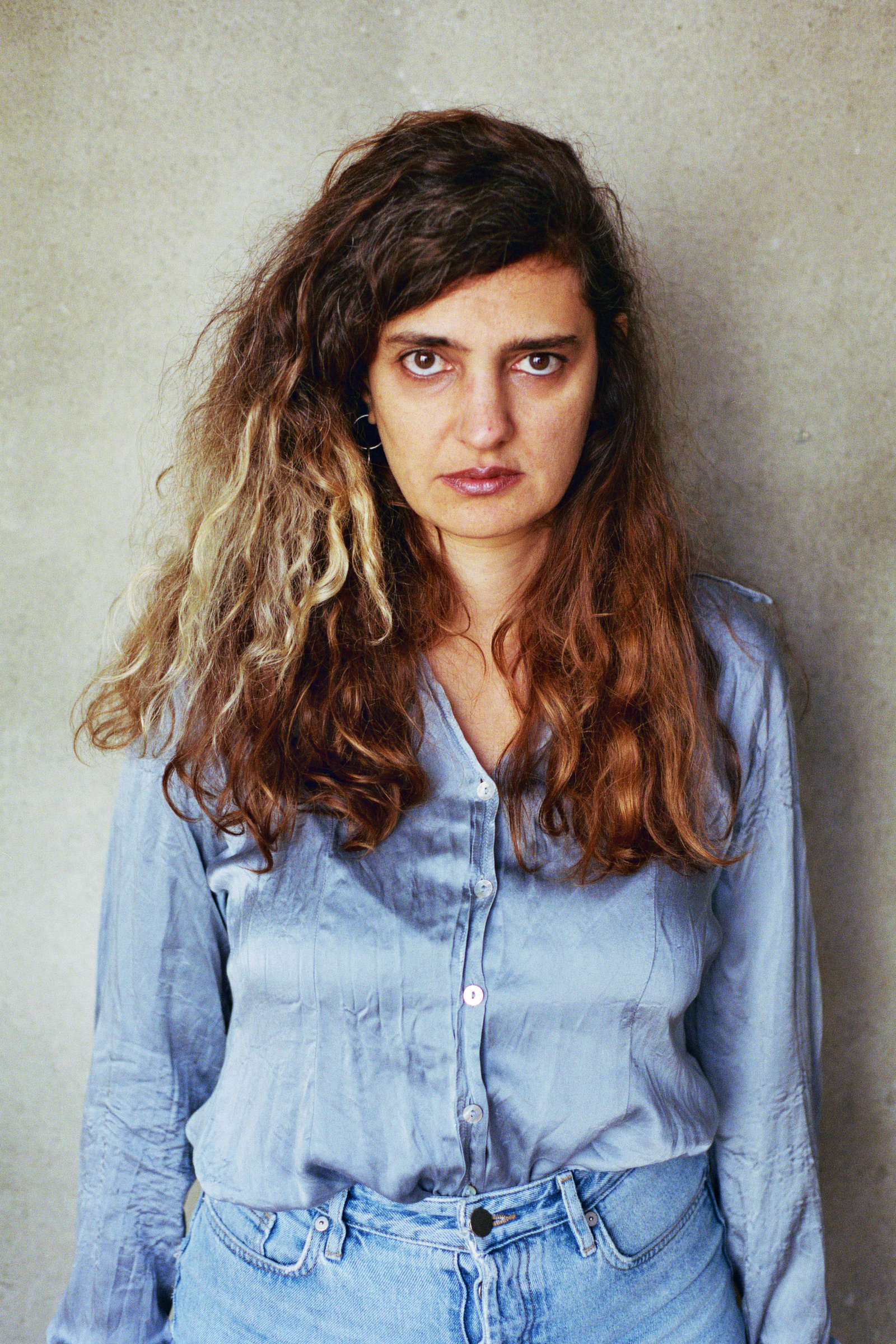 Marwa Arsanios’ practice tackles structural questions using different devices, forms and strategies. From architectural spaces, their transformation and adaptability throughout a civil war, to artist-run spaces and temporary conventions between communes and cooperatives, the practice tends to make space within and parallel to existing art structures allowing experimentation with different forms of assemblies. Film becomes another device and space for connecting struggles through images and montage.
In the past nine years Arsanios has been attempting to think about these questions from a new materialist and a historical materialist perspective with different feminist movements that are in a struggle for taking back their land. She tries to look at questions of property, law, economy and ecology from specific plots of land, while focusing on the histories of the commons in the levant region. She has been part of artist collectives and initiatives, the most recent being the legal communalisation of a land in the North Lebanon through its transformation to a Mashaa.
- Year2014
- Runtime25 minutes
- LanguageArabic
- CountryLebanon
- Subtitle LanguageEnglish
- DirectorMarwa Arsanios
AFTER THE HOUR OF LIBERATION adapts its title from Heiny Srour’s 1974 film, The Hour of Liberation has Arrived, which captured the Marxist-Leninist rebellion against the British in the Dhofar region of Oman as it unfolded. In contrast, the films in this program document the afterlives of revolution; each revisits a resistance movement and centers the women—some infamous, others overlooked—who were at the forefront of these anticolonial struggles. Filmed decades later, freedom fighters from Algeria, Palestine, and Vietnam reflect on their role alongside their male counterparts, as well as their current circumstances and the temporality of liberation. In more recent video works by Marwa Arsanios and Huda Takriti, the artists examine the representations and imaginations of Djamila Bouhired and Leila Khaled respectively, unpacking the simultaneous celebration and marginalization of these women as they are transformed into icons.
AFTER THE HOUR OF LIBERATION is curated by Dina A. Ramadan and is co-presented by ArteEast and DCTV. This program is part of the legacy program Unpacking the ArteArchive, which preserves and presents 20 years of film and video programming by ArteEast. Selections from AFTER THE HOUR OF LIBERATION will be screened in-person at DCTV on February 10th followed by a discussion with Samah Selim moderated by the curator. For more information about the in-person screening visit firehousecinema.dctvny.org. The full program will be screened online on artearchive.org from February 11 - 21 2026.
Have You Ever Killed a Bear? or Becoming Jamila is a video made after a performance whose starting point is an inquiry into Algerian freedom fighter Jamila Bouhired. The research focuses on the different representations of Jamila in cinema, as well as on her assimilation and promotion in the Egyptian cultural magazine Al-Hilal (The Crescent) during the 1950s and '60s. The video also attempts to look at the history of Egyptian socialist projects and the Algerian anti-colonial wars, and the way they have incorporated and promoted state feminism through the figure of Jamila. Indeed, the clear gender division was overcome for a short moment during the Algerian war of independence—Jamila becoming its icon. But what does it mean to become an icon, and to play the role of the freedom fighter for a film in 2014? Between role playing and political projects, where does the agency of subject constitution sit?
About the Filmmaker:
Marwa Arsanios’ practice tackles structural questions using different devices, forms and strategies. From architectural spaces, their transformation and adaptability throughout a civil war, to artist-run spaces and temporary conventions between communes and cooperatives, the practice tends to make space within and parallel to existing art structures allowing experimentation with different forms of assemblies. Film becomes another device and space for connecting struggles through images and montage.
In the past nine years Arsanios has been attempting to think about these questions from a new materialist and a historical materialist perspective with different feminist movements that are in a struggle for taking back their land. She tries to look at questions of property, law, economy and ecology from specific plots of land, while focusing on the histories of the commons in the levant region. She has been part of artist collectives and initiatives, the most recent being the legal communalisation of a land in the North Lebanon through its transformation to a Mashaa.
- Year2014
- Runtime25 minutes
- LanguageArabic
- CountryLebanon
- Subtitle LanguageEnglish
- DirectorMarwa Arsanios