
AFTER THE HOUR OF LIBERATION adapts its title from Heiny Srour’s 1974 film, The Hour of Liberation has Arrived, which captured the Marxist-Leninist rebellion against the British in the Dhofar region of Oman as it unfolded. In contrast, the films in this program document the afterlives of revolution; each revisits a resistance movement and centers the women—some infamous, others overlooked—who were at the forefront of these anticolonial struggles. Filmed decades later, freedom fighters from Algeria, Palestine, and Vietnam reflect on their role alongside their male counterparts, as well as their current circumstances and the temporality of liberation. In more recent video works by Marwa Arsanios and Huda Takriti, the artists examine the representations and imaginations of Djamila Bouhired and Leila Khaled respectively, unpacking the simultaneous celebration and marginalization of these women as they are transformed into icons.
AFTER THE HOUR OF LIBERATION is curated by Dina A. Ramadan and is co-presented by ArteEast and DCTV. This program is part of the legacy program Unpacking the ArteArchive, which preserves and presents 20 years of film and video programming by ArteEast. Selections from AFTER THE HOUR OF LIBERATION will be screened in-person at DCTV on February 10th followed by a discussion with Samah Selim moderated by the curator. For more information about the in-person screening visit firehousecinema.dctvny.org. The full program will be screened online on artearchive.org from February 11 - 21 2026.
In the long years of war against France and the U.S., Vietnamese women fought alongside men as equals. Women such as Madam Binh, who negotiated with Henry Kissinger at the Paris Peace Accords, and later became Vice President of Vietnam, and Mrs. Nguyen Thi Dinh, general and deputy commander of the Vietcong forces, reached the highest positions of power. But 30 years after the signing of the peace agreement, the revival of Confucianism and the spread of market forces are conspiring to relegate women once again to the role of second class citizens. This film looks at what happened to Mrs. Binh and Mrs. Dinh and three other w omen since the war.
Kim Lai was 17 in 1965 when she captured an American pilot twice her size and the newspaper photograph of them was circulated around the world. Vo Thi Thang was also the subject of a famous picture. Sentenced to 20 years in jail by the South Vietnamese government for her part in the Tet offensive, her unrepentant smile was captured by photographers. Dr. Duong Quynh Hoa, Shadow Minister of Health in the provisional government, became Deputy Minister of Health for two years after the war until she became disillusioned.
About the filmmaker
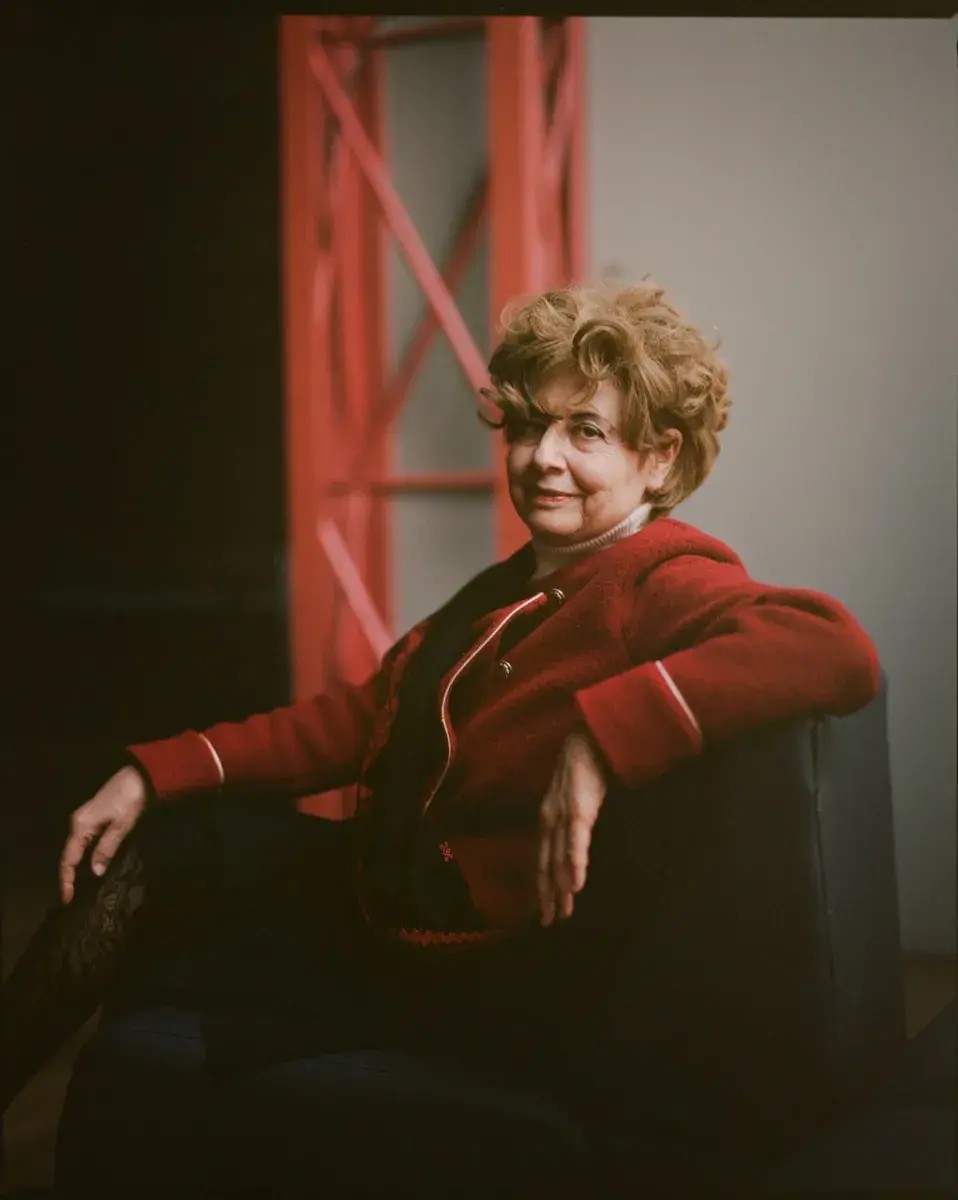 Born in Beirut in 1945, Lebanese filmmaker Heiny Srour studied Sociology at the French University of Beirut before pursuing Social Anthropology at the Sorbonne in Paris. During this time, she was deeply influenced by the ethnographic films of Jean Rouch, which sparked her interest in filmmaking. While working as a journalist and film critic, she became drawn to Third World cinema and the role of Arab women in revolutionary movements.
Throughout her career, Srour has used film as a powerful tool to explore themes of resistance and liberation for women across the Middle East. Her groundbreaking documentary The Hour of Liberation Has Arrived (1974) was selected for the Cannes Film Festival, making her the first Arab woman filmmaker to receive international recognition.
- Year1995
- Runtime50 mins.
- LanguageEnglish
- CountryUnited Kingdom
- DirectorHeiny Srour
AFTER THE HOUR OF LIBERATION adapts its title from Heiny Srour’s 1974 film, The Hour of Liberation has Arrived, which captured the Marxist-Leninist rebellion against the British in the Dhofar region of Oman as it unfolded. In contrast, the films in this program document the afterlives of revolution; each revisits a resistance movement and centers the women—some infamous, others overlooked—who were at the forefront of these anticolonial struggles. Filmed decades later, freedom fighters from Algeria, Palestine, and Vietnam reflect on their role alongside their male counterparts, as well as their current circumstances and the temporality of liberation. In more recent video works by Marwa Arsanios and Huda Takriti, the artists examine the representations and imaginations of Djamila Bouhired and Leila Khaled respectively, unpacking the simultaneous celebration and marginalization of these women as they are transformed into icons.
AFTER THE HOUR OF LIBERATION is curated by Dina A. Ramadan and is co-presented by ArteEast and DCTV. This program is part of the legacy program Unpacking the ArteArchive, which preserves and presents 20 years of film and video programming by ArteEast. Selections from AFTER THE HOUR OF LIBERATION will be screened in-person at DCTV on February 10th followed by a discussion with Samah Selim moderated by the curator. For more information about the in-person screening visit firehousecinema.dctvny.org. The full program will be screened online on artearchive.org from February 11 - 21 2026.
In the long years of war against France and the U.S., Vietnamese women fought alongside men as equals. Women such as Madam Binh, who negotiated with Henry Kissinger at the Paris Peace Accords, and later became Vice President of Vietnam, and Mrs. Nguyen Thi Dinh, general and deputy commander of the Vietcong forces, reached the highest positions of power. But 30 years after the signing of the peace agreement, the revival of Confucianism and the spread of market forces are conspiring to relegate women once again to the role of second class citizens. This film looks at what happened to Mrs. Binh and Mrs. Dinh and three other w omen since the war.
Kim Lai was 17 in 1965 when she captured an American pilot twice her size and the newspaper photograph of them was circulated around the world. Vo Thi Thang was also the subject of a famous picture. Sentenced to 20 years in jail by the South Vietnamese government for her part in the Tet offensive, her unrepentant smile was captured by photographers. Dr. Duong Quynh Hoa, Shadow Minister of Health in the provisional government, became Deputy Minister of Health for two years after the war until she became disillusioned.
About the filmmaker
Born in Beirut in 1945, Lebanese filmmaker Heiny Srour studied Sociology at the French University of Beirut before pursuing Social Anthropology at the Sorbonne in Paris. During this time, she was deeply influenced by the ethnographic films of Jean Rouch, which sparked her interest in filmmaking. While working as a journalist and film critic, she became drawn to Third World cinema and the role of Arab women in revolutionary movements.
Throughout her career, Srour has used film as a powerful tool to explore themes of resistance and liberation for women across the Middle East. Her groundbreaking documentary The Hour of Liberation Has Arrived (1974) was selected for the Cannes Film Festival, making her the first Arab woman filmmaker to receive international recognition.
- Year1995
- Runtime50 mins.
- LanguageEnglish
- CountryUnited Kingdom
- DirectorHeiny Srour